






Why Deworming Is Non-Negotiable for Dogs in India
India's climate, stray dog population density, and outdoor exposure make internal parasite infestation one of the most common health risks for pet dogs. Puppies are especially vulnerable — studies estimate that over 90% of puppies in India are born with roundworm infestations transferred from their mothers. Adult dogs require regular deworming throughout their lives regardless of lifestyle.
Internal parasites — including roundworms, tapeworms, hookworms, and whipworms — cause symptoms ranging from diarrhoea, vomiting, and weight loss to anaemia, intestinal blockage, and in severe cases, death. Many infected dogs show no visible symptoms, making routine deworming essential even when the dog appears healthy.
Types of Deworming Tablets for Dogs Available at Pets Lifestyle
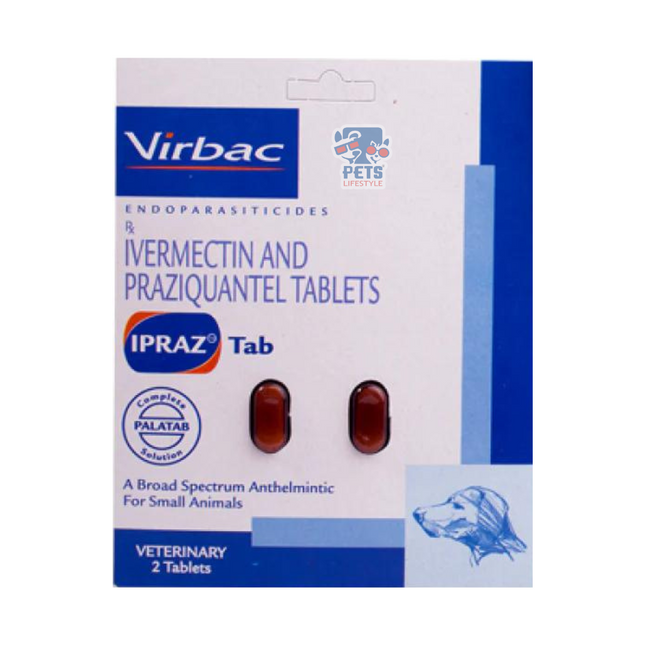
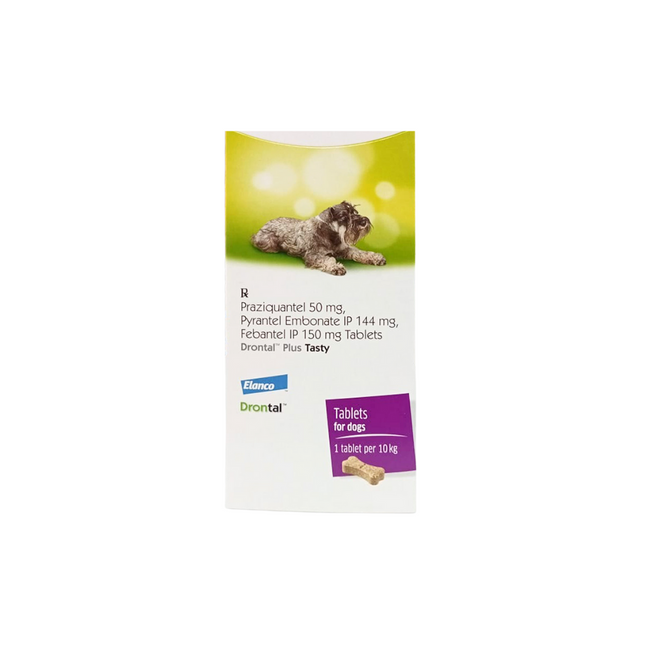
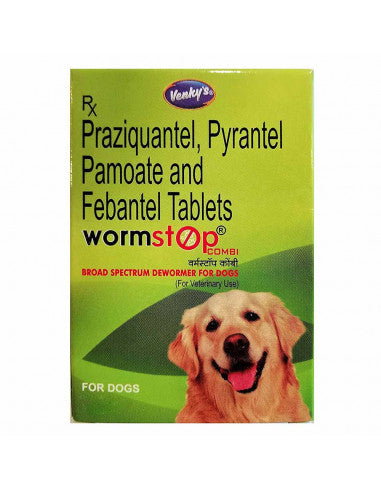
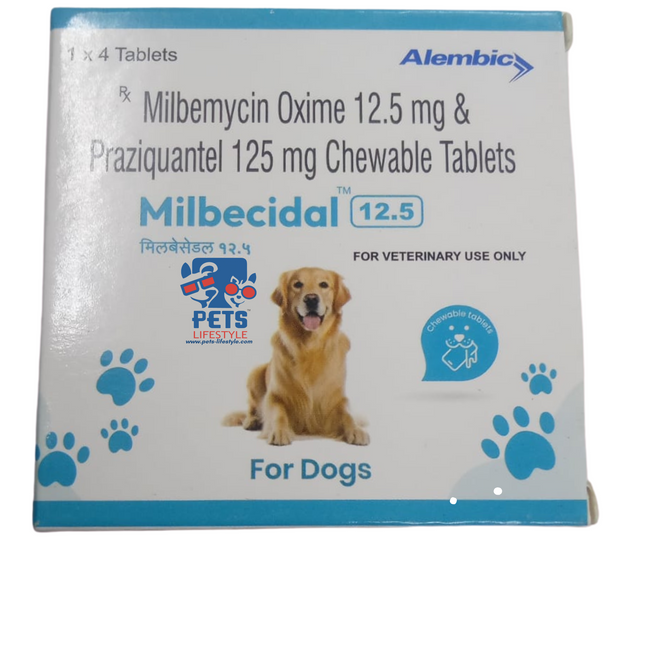
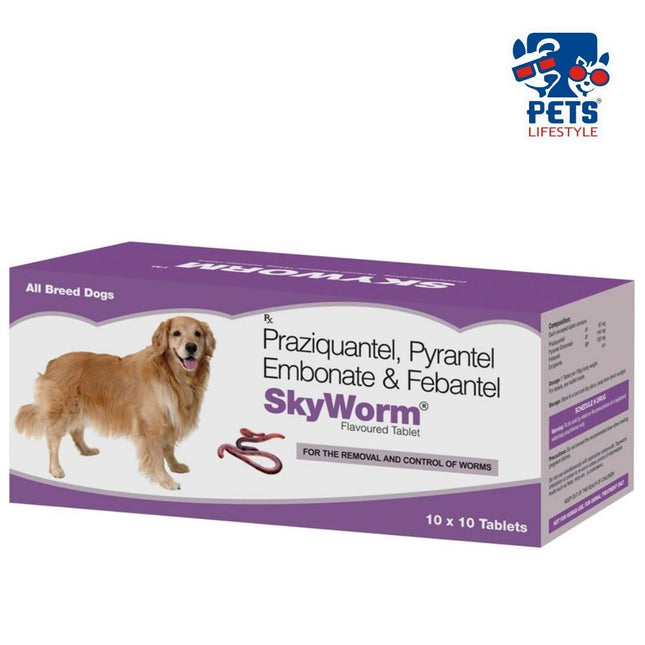
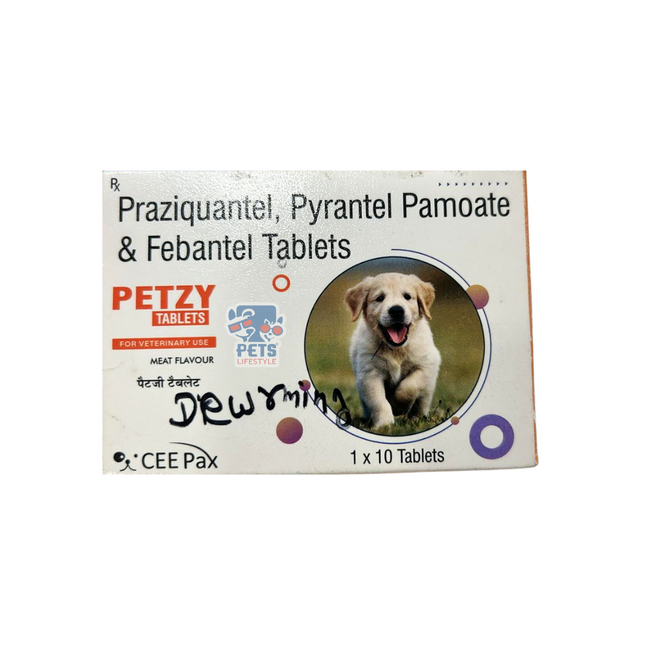
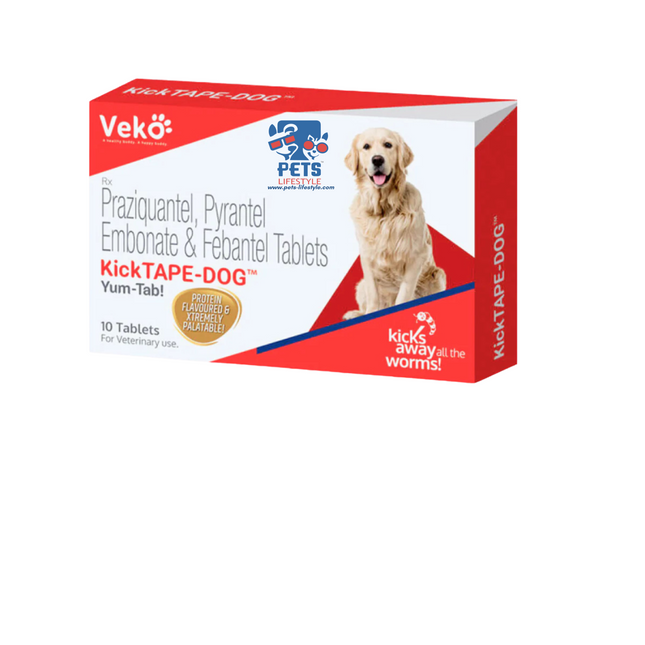
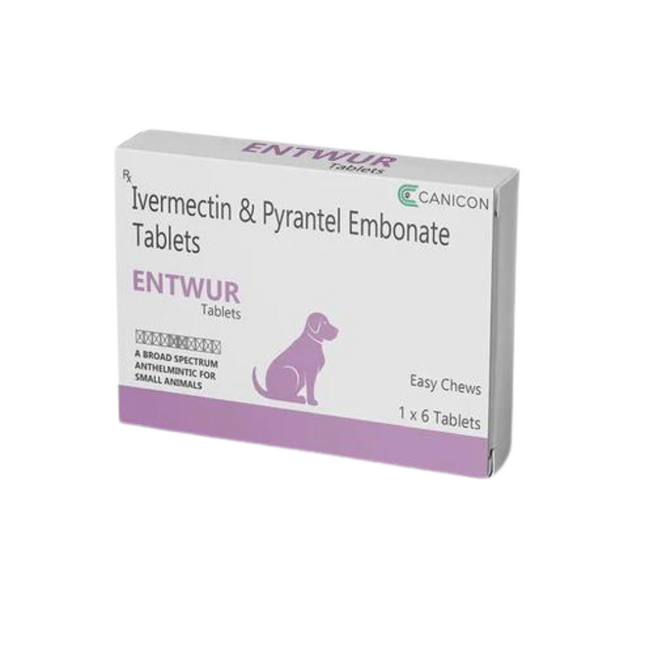
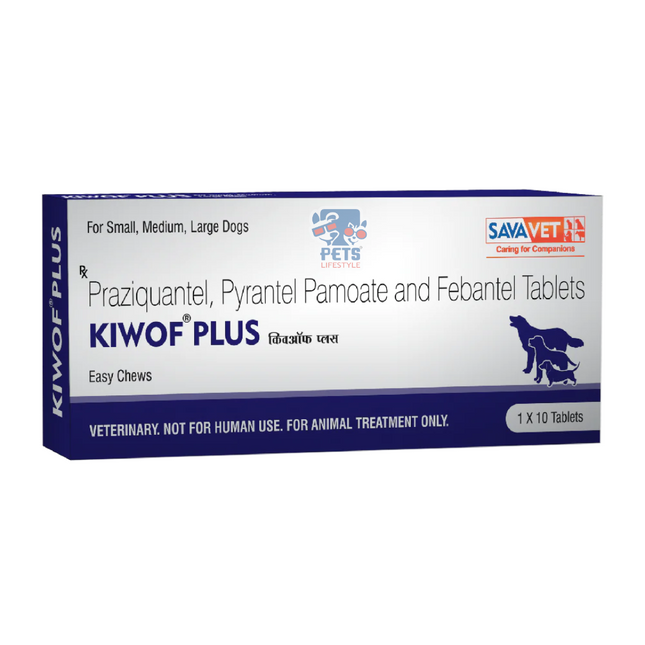
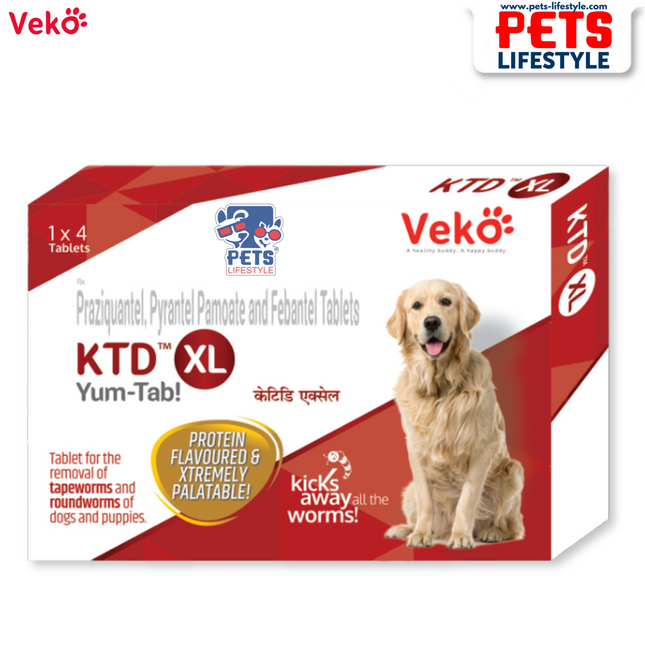
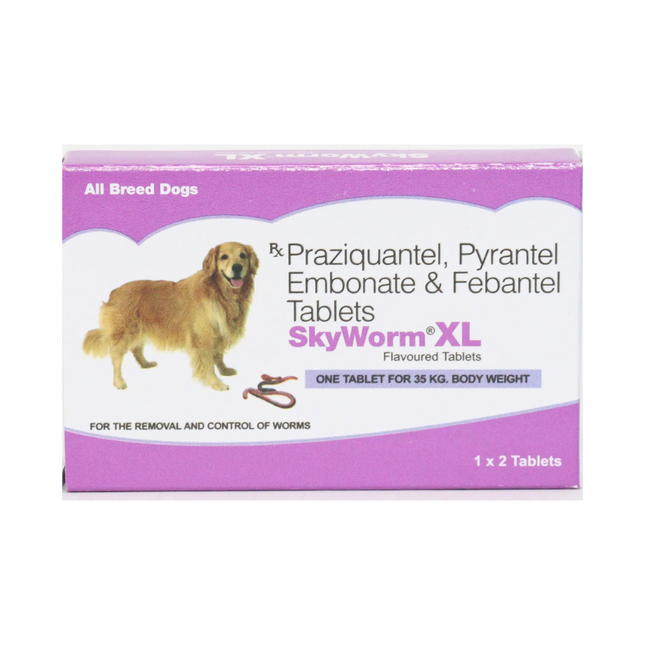
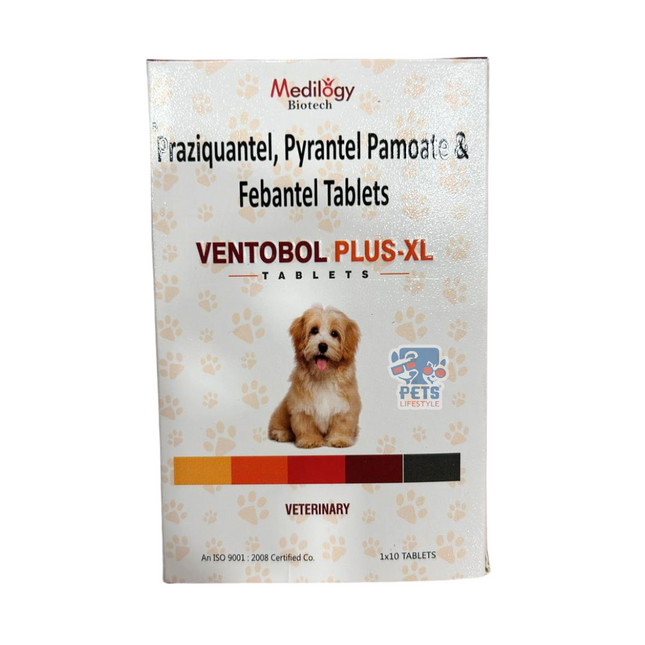
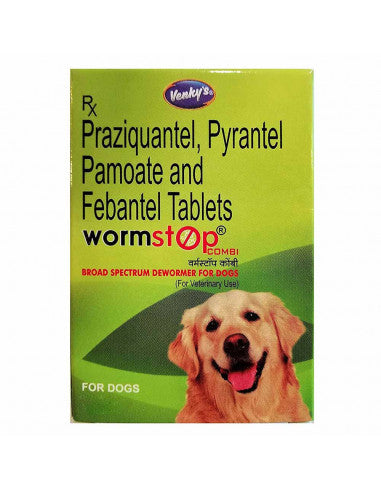
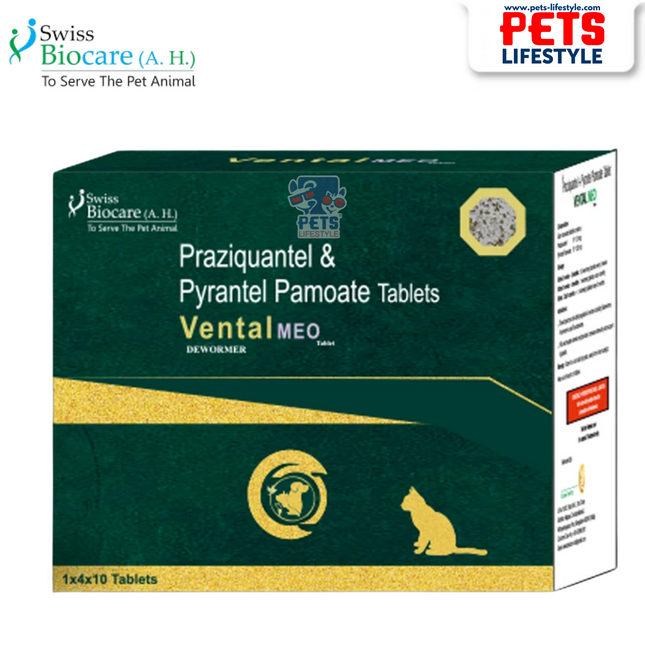
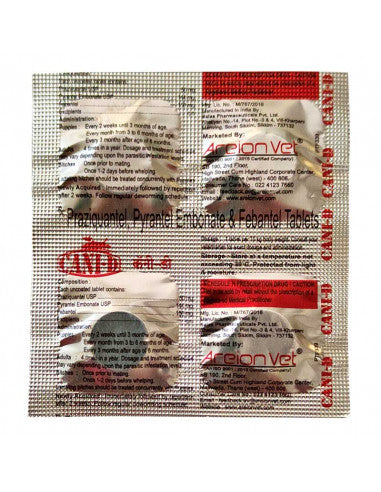
Broad-Spectrum Deworming Tablets These tablets contain two or more active compounds to treat multiple parasite types simultaneously. Examples: Virbac Ipraz Tab (Ivermectin + Praziquantel), Drontal Plus (Praziquantel + Pyrantel + Febantel). Recommended for routine deworming as they cover roundworms, hookworms, and tapeworms in a single dose.
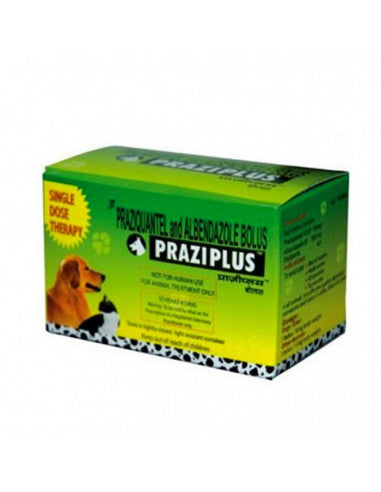
Single-Compound Dewormers Formulated for targeted treatment. Praziquantel-only tablets (e.g., Droncit) are prescribed specifically for tapeworm infestations. Pyrantel-based tablets target roundworms and hookworms. Used when a specific parasite has been diagnosed by a veterinarian.
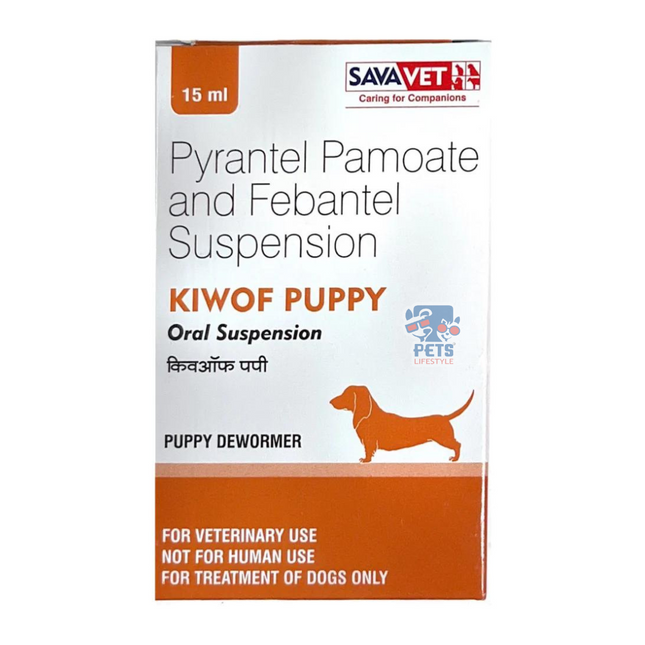
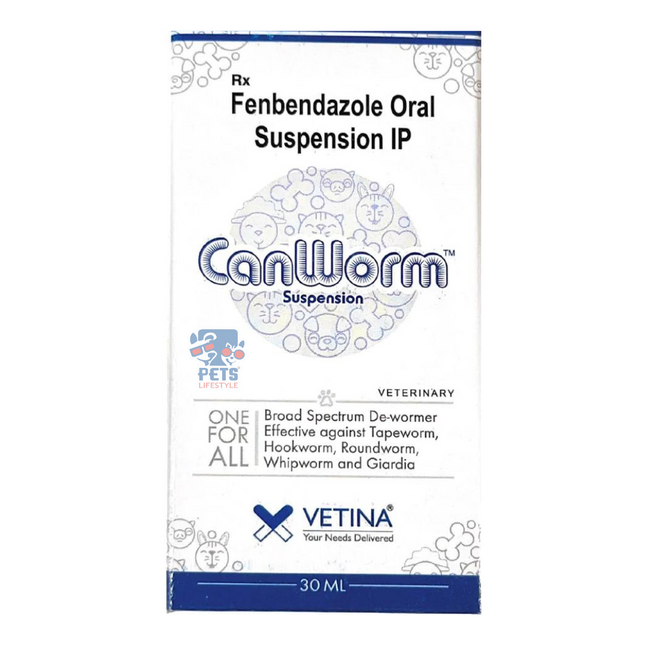
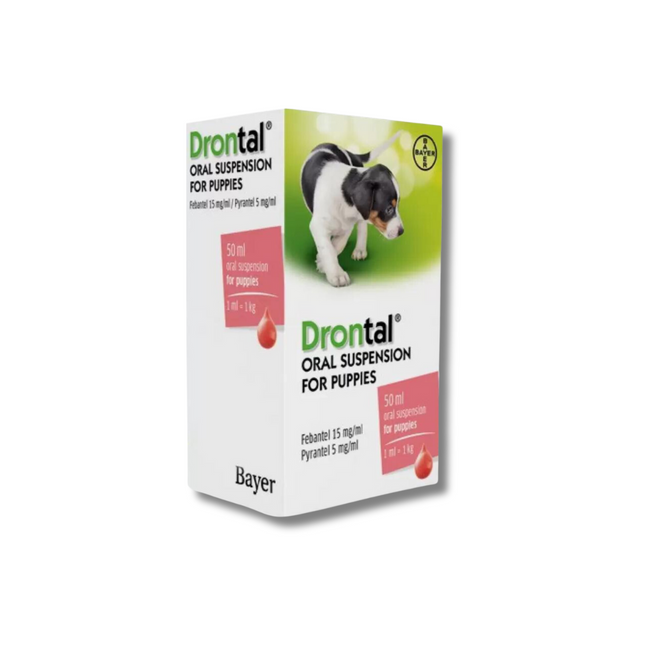
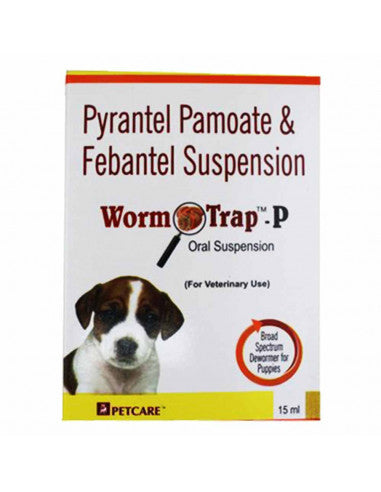
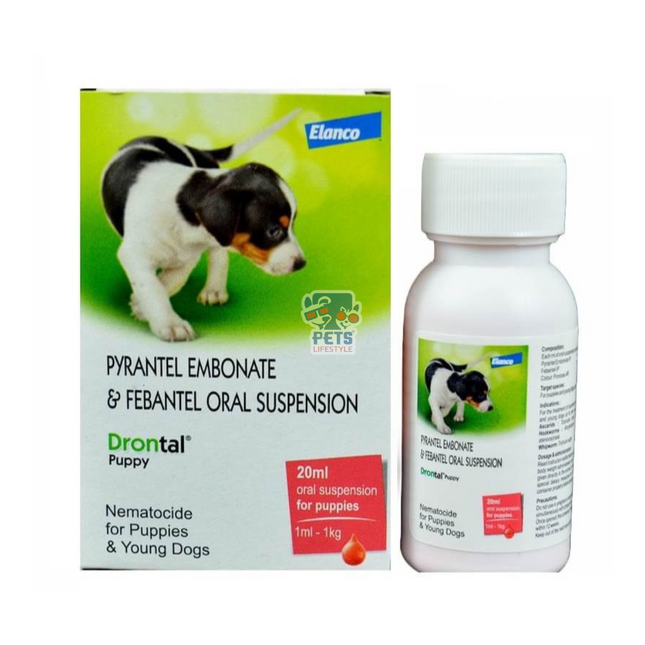
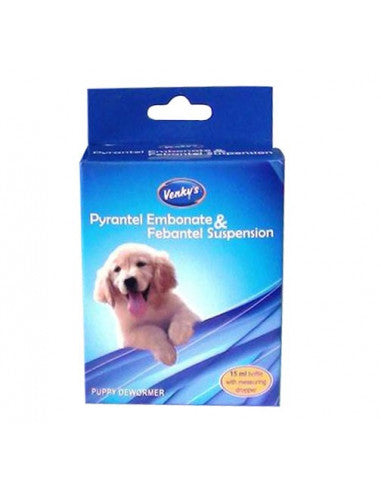
Deworming Syrups Liquid dewormers are available for puppies and small dogs who resist tablets. Syrups allow precise weight-based dosing and are easier to administer to young or uncooperative dogs. Examples: Savavet Kiwof Puppy Deworming Suspension, Drontal Puppy Oral Suspension.
Chewable Deworming Tablets Palatable chewable formats designed to be accepted directly as treats. Useful for dogs resistant to tablets. Examples: Tineta Helminate Chew Broad Spectrum Deworming Chew.
Common Internal Parasites in Dogs — What Each Dewormer Targets
| Parasite | Risk Level in India | Active Compound That Kills It |
|---|---|---|
| Roundworms (Toxocara canis) | Very High | Pyrantel, Ivermectin, Fenbendazole |
| Tapeworms (Dipylidium caninum) | High | Praziquantel |
| Hookworms (Ancylostoma caninum) | High | Pyrantel, Febantel, Ivermectin |
| Whipworms (Trichuris vulpis) | Moderate | Febantel, Fenbendazole |
| Giardia | Moderate | Fenbendazole, Metronidazole |
| Heartworm (microfilariae) | Moderate-High | Ivermectin |
Deworming Schedule for Dogs — Veterinary Recommendation
| Dog Age | Deworming Frequency |
|---|---|
| 2–8 weeks (puppy) | Every 2 weeks |
| 2–6 months | Monthly |
| 6 months–1 year | Every 3 months |
| Adult dog (1 year+) | Every 3–6 months |
| Pregnant/nursing females | Consult veterinarian |
| High-exposure dogs (outdoor, rural) | Every 6–8 weeks |
How to Choose the Right Deworming Tablet for Your Dog
The correct dewormer depends on three factors: the type of parasite present, the dog's age and weight, and whether a specific diagnosis has been made by a veterinarian.
For routine maintenance deworming with no specific diagnosis, a broad-spectrum tablet such as Drontal Plus or Virbac Ipraz Tab covers the most common parasites in a single dose. For puppies under 2 kg or under 8 weeks of age, a liquid deworming syrup with precise dosing is safer than a tablet.
If your dog has been diagnosed with a specific parasite by faecal examination, your veterinarian will prescribe the appropriate single or combination product. Do not self-diagnose or substitute products without veterinary guidance.
Top Deworming Brands Available at Pets Lifestyle
- Virbac — Ipraz Tab, Milpro
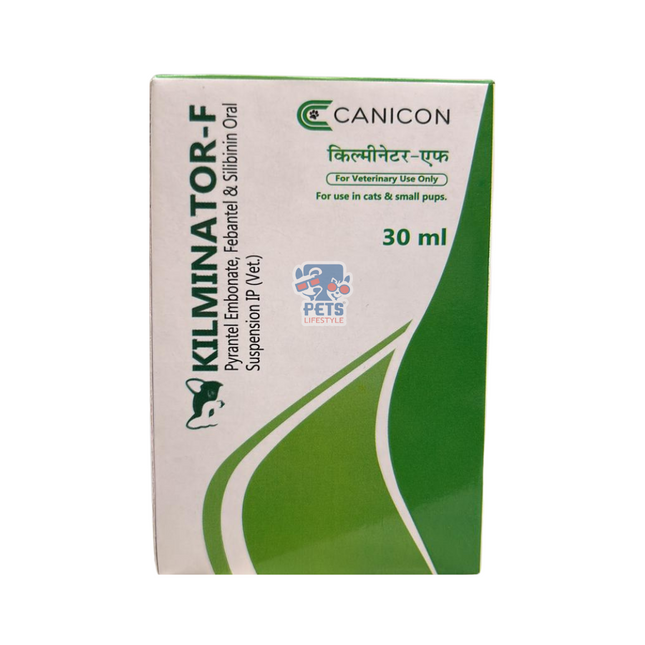
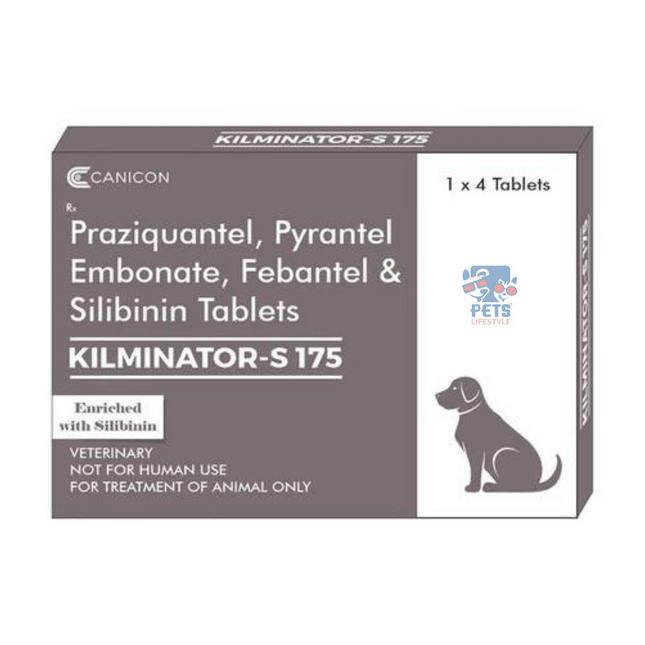
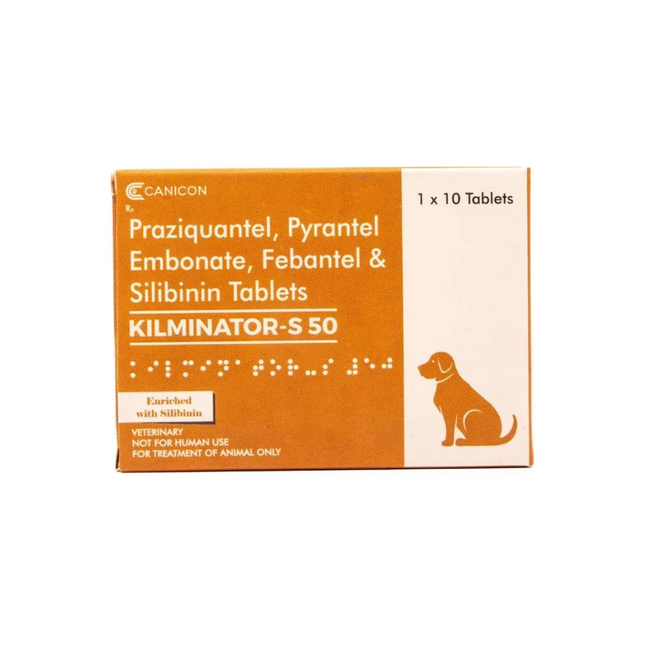
- Canicon — Kilminator series
- Drontal / Bayer — Drontal Plus, Drontal Puppy
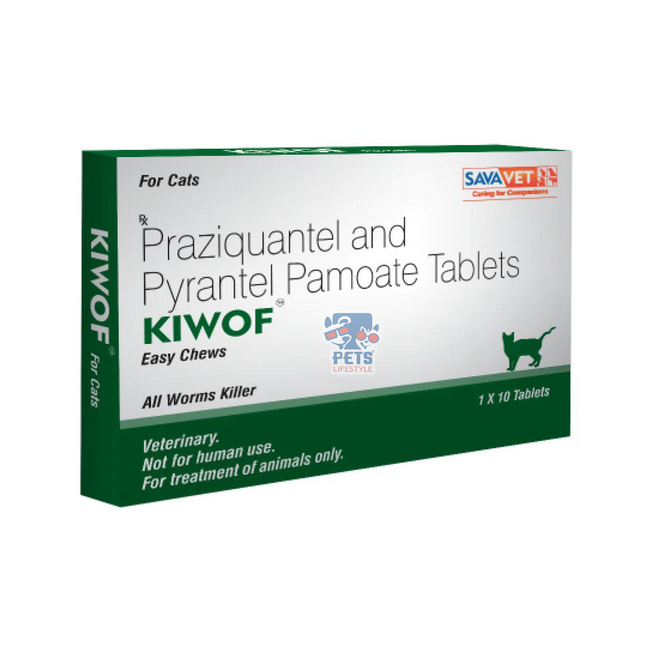
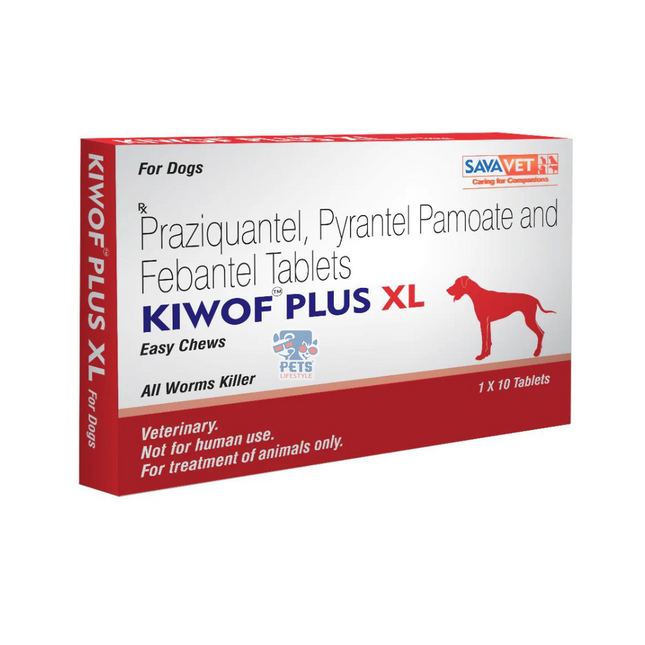
- Savavet — Kiwof Plus, Kiwof Puppy Suspension
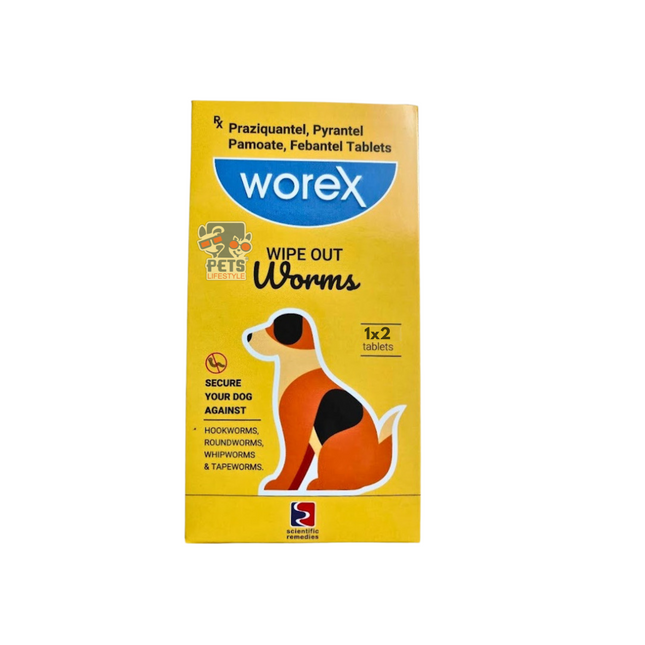
- Scientific Remedies — Worex, Worex XL
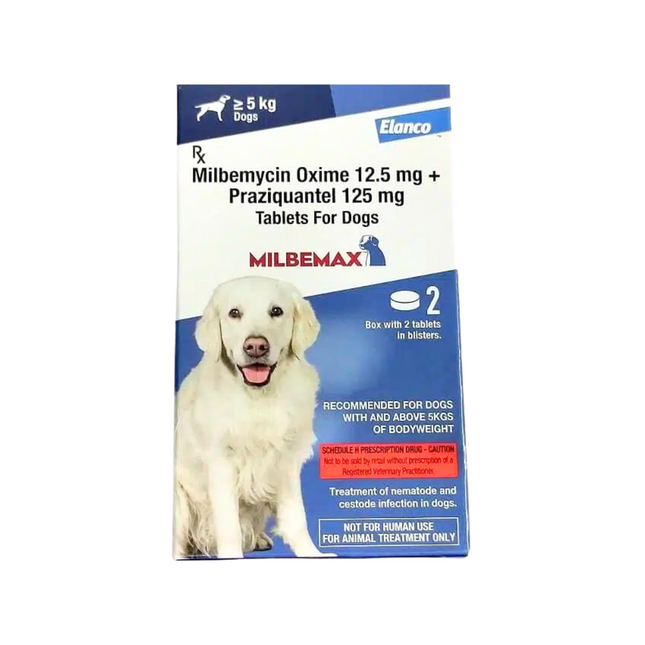
- Elanco — Milbemax Heartworm Dewormer
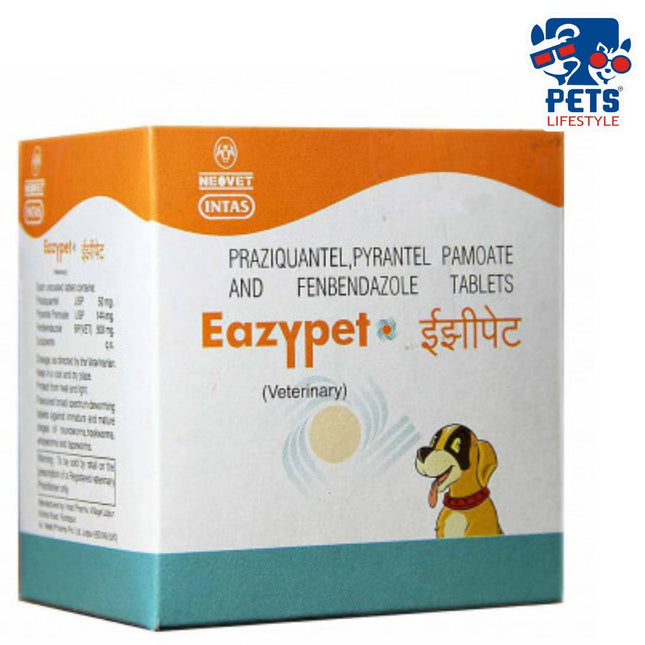
- Intas — Eazypet Tablet
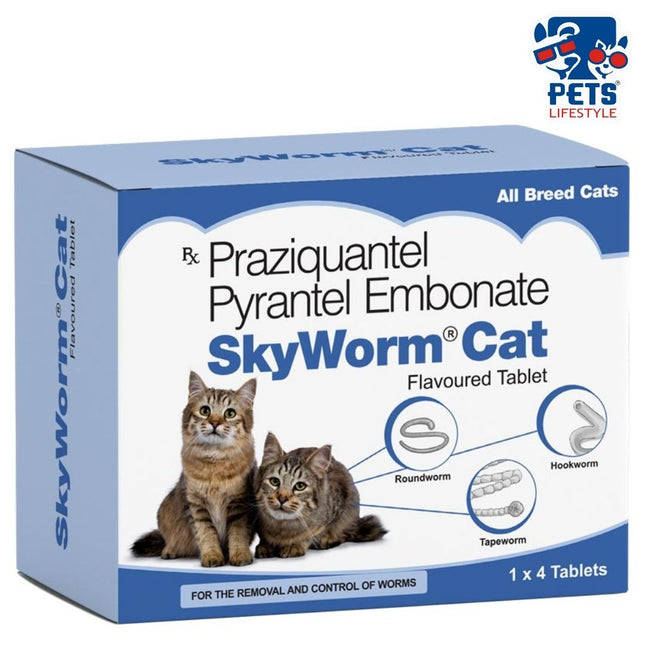
- Sky Ec — Skyworm Tablet series